
Chest and Neck Anatomical Points
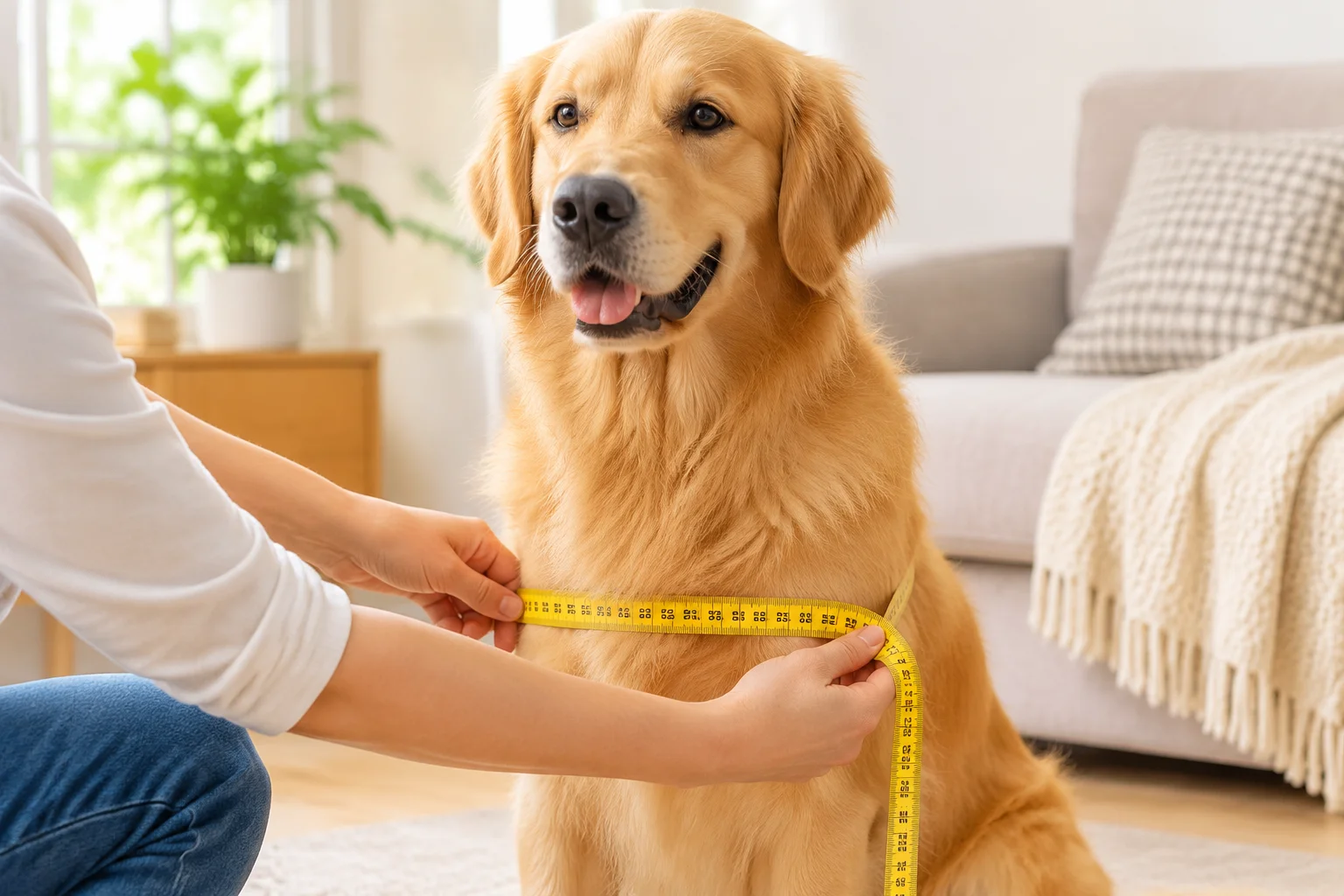
Securing a dependable harness starts with assessing your dog while they remain in a calm, four-legged standing posture on even ground. Measuring a dog in a sitting or reclining position compresses the abdominal muscles and artificially alters the ribcage diameter, resulting in overly constrictive straps or awkward shifting during dynamic walks. Position a flexible seamstress measuring tape around the deepest part of the chest cavity, roughly two fingers back from the front armpits.
Direct your focus next to the lower neck line right above the breastbone where the collar base naturally rests. Unlike traditional flat collars that localize pulling force around delicate cervical vertebrae, an ergonomic harness must shift kinetic energy onto broad muscular surfaces. Keep the tape taut without indenting the skin or pressing against tracheal pathways, and record the exact circumference in centimeters.
“A properly calibrated harness distributes pull forces across skeletal bone structure rather than soft throat cartilage, transforming everyday walks into balanced, joyful outings.”
Sizing Comparison and Fitting Checks
Once you gather chest girth, neck baseline, and top back length measurements, compare them against the sizing chart of your chosen harness model. Canine body proportions vary significantly across breeds; deep-chested sighthounds or broad-shouldered bulldogs frequently land between generic sizing brackets. When your dog borders two standard sizes, prioritize chest girth and opt for the larger size to allow strap flexibility through coat growth cycles.
- Wrap tape snugly across the broadest point of the ribcage behind the forelegs while standing.
- Position the chest straps above shoulder joints to permit uninhibited natural leg extension.
- Slide two fingers under each nylon or padded strap to guarantee security without skin friction.
Jessica Smith
Jessica is an experienced pet care gear reviewer and certified canine handler committed to promoting ergonomic walking solutions, injury prevention, and joyful daily pet routines.
No comments yet. Be the first to leave a comment.